Ocean Lakes Elementary School
Virginia Beach, Virginia
Overview
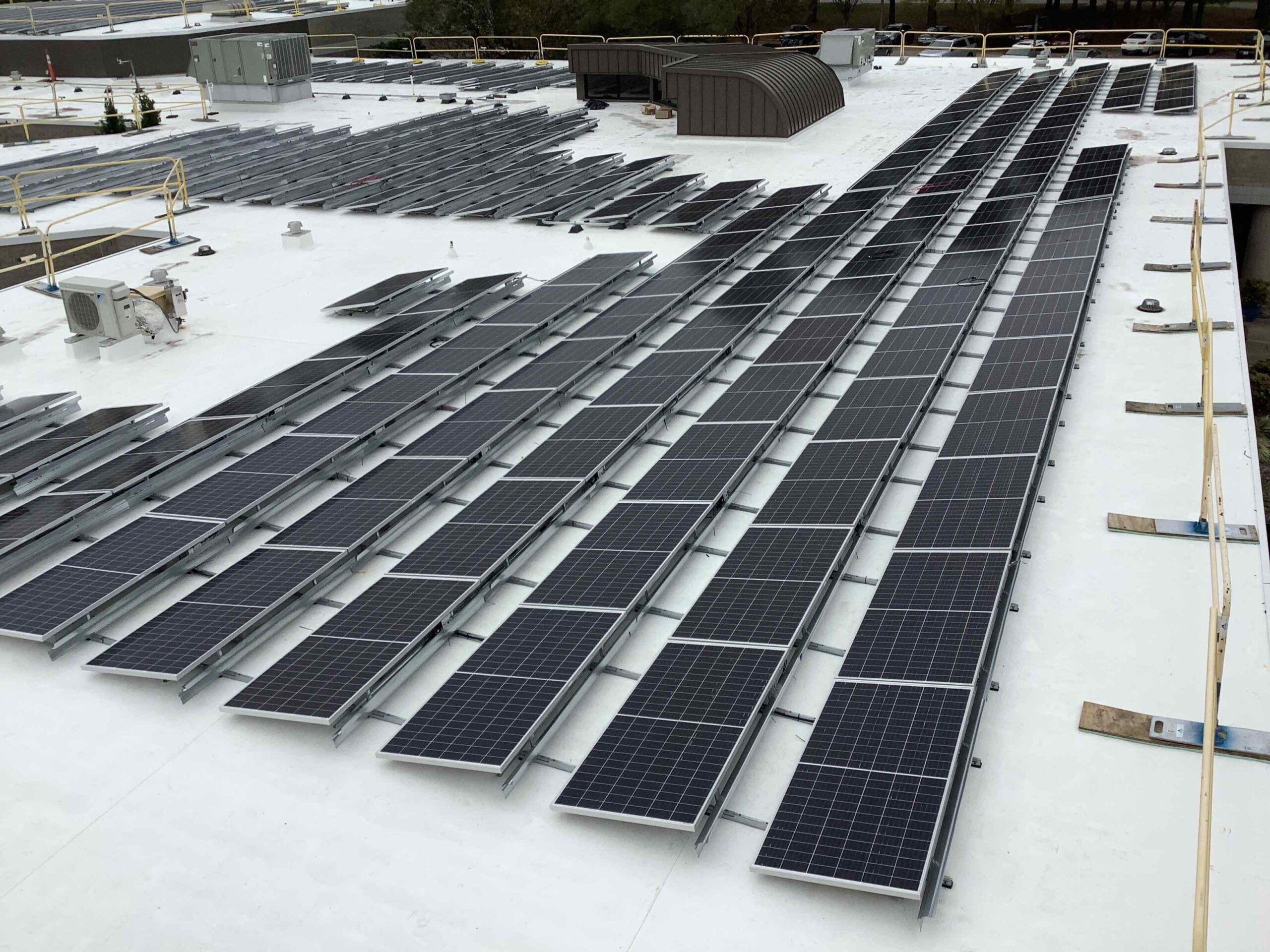
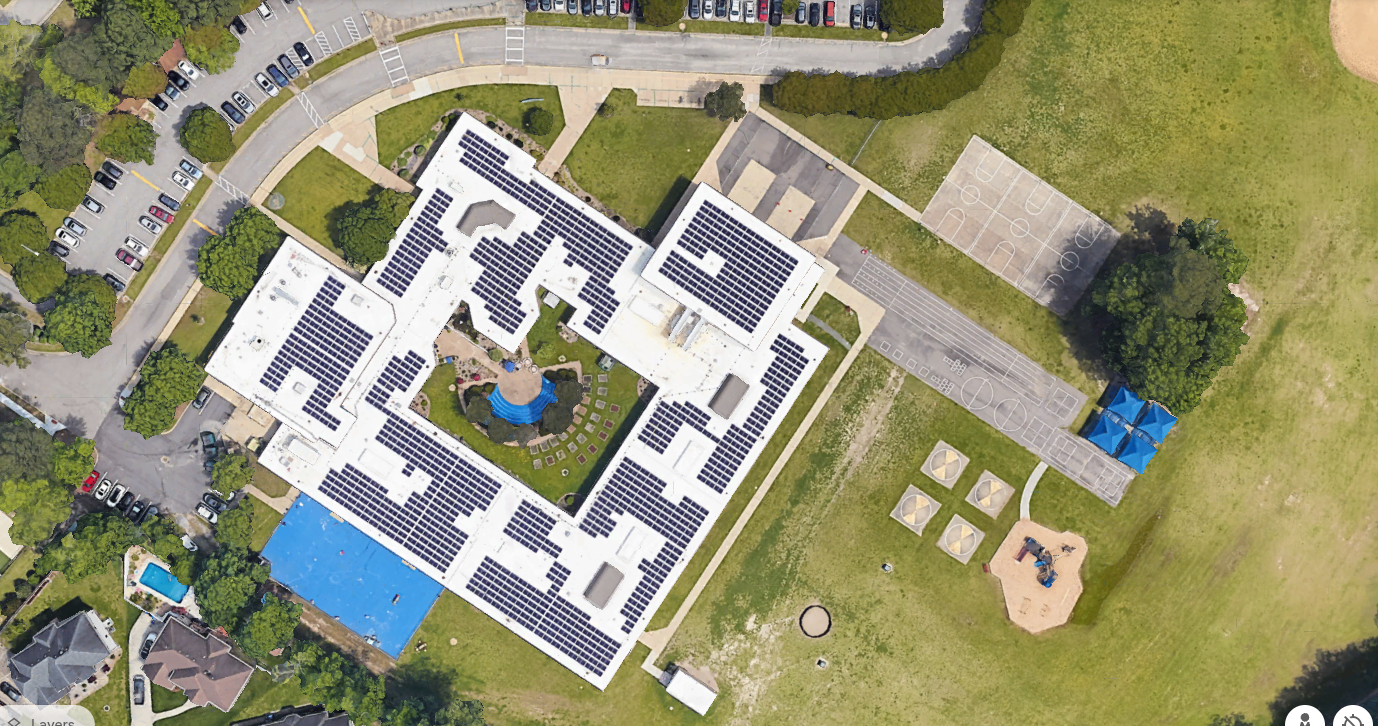
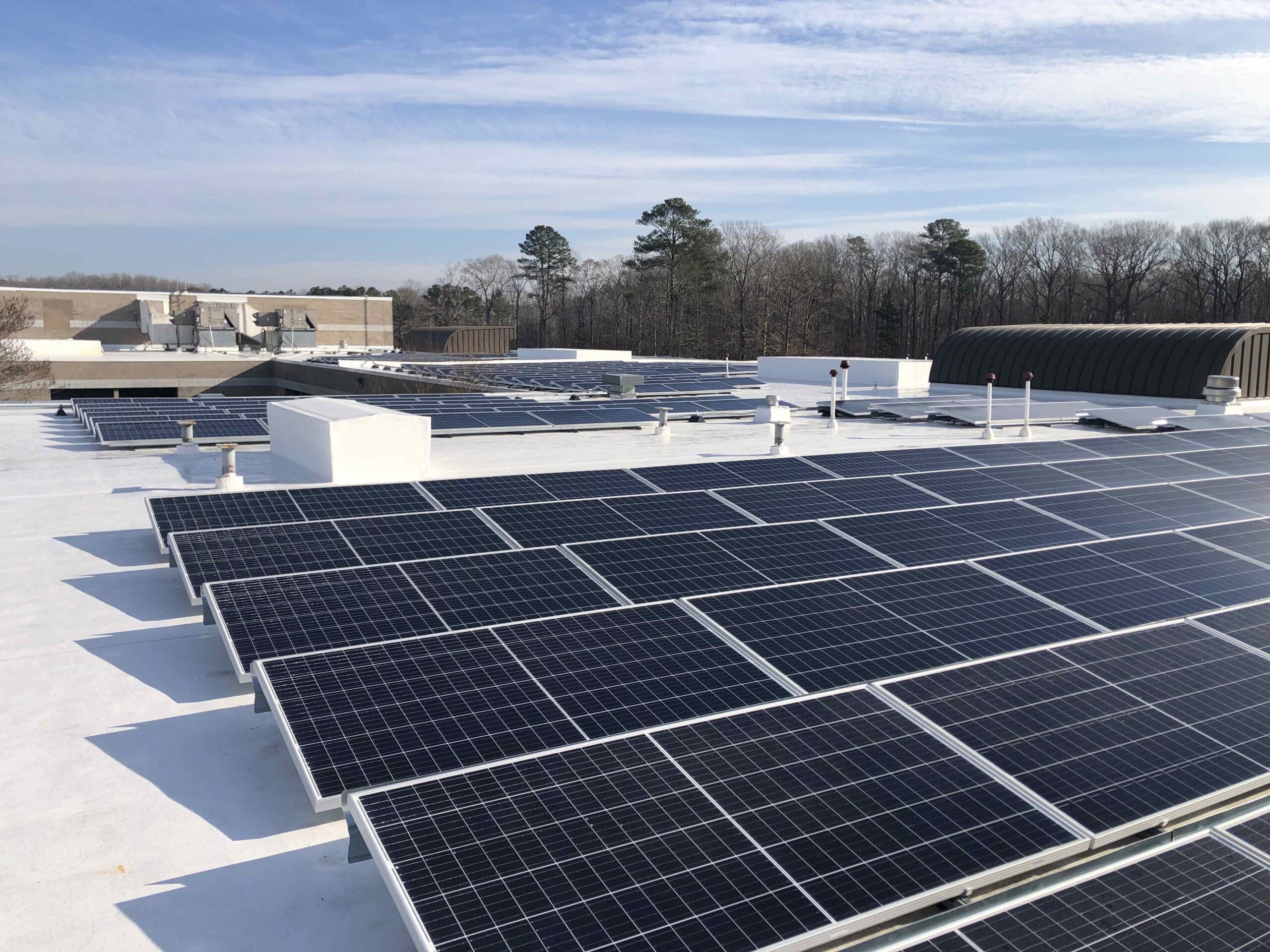
Ocean Lakes Elementary School is a 69,900-square-foot net zero energy facility transformed through a comprehensive, multi-phase renovation. Originally constructed in 1989, the school achieved net zero energy performance through phased HVAC improvements, building envelope upgrades, LED lighting conversion, and installation of a rooftop solar photovoltaic system. The project established Ocean Lakes as the first net zero school in Virginia Beach City Public Schools and the first net zero public building renovation in the Commonwealth of Virginia. Today, the integrated building systems and renewable energy infrastructure continue to support exceptional energy performance, operational efficiency, and long-term sustainability.
Challenges
- Replacing aging HVAC equipment within an occupied K–12 facility while maintaining occupant comfort and minimizing disruption to daily school operations.
- Significantly reducing energy consumption in an existing building that was not originally designed to meet high-performance or net zero energy goals.
- Phasing construction to accommodate school schedules, continued building use, and multi-year capital budgeting constraints.
Goals
- Improve long-term energy efficiency through a life-cycle cost-effective geothermal water-source heat pump system.
- Upgrade the building envelope with insulated glazing and enhanced roof insulation to reduce heat transfer and air infiltration.
- Reduce the facility’s Energy Use Intensity sufficiently to support the successful integration of on-site renewable energy.
Project Team
- Owner: Virginia Beach City Public Schools
- Architect: Tymoff + Moss Architects
- Structural Engineer: McPherson Design Group
- Lighting Consultant and Contractor: NORESCO
Results
- Reduced the building’s Energy Use Intensity from 60.9 in 2013 to near-net-zero levels following the HVAC, envelope, lighting, and solar improvements.
- Dramatically lowered annual electricity costs, with post-solar energy bills reduced to nearly zero through a Power Purchase Agreement.
- Demonstrated that straightforward mechanical design, intentional envelope improvements, and renewable energy integration could successfully achieve net zero performance in an existing K–12 facility.